
Your cable bill has likely crossed the $127 monthly threshold in 2026. Traditional television feels outdated when premium top iptv services cost between $12 and $25 per month. The shift toward streaming entertainment is no longer a trend. It’s your practical answer to expensive cable packages.
The best iptv providers have matured into reliable platforms. These services now offer 45,000 live channels and 120,000 video-on-demand titles. Uptime performance reaches 99.9 percent across major networks. This stability represents a complete transformation from the early reputation of constant buffering and dropped connections.
Your search for quality streaming deserves solid information. We tested over 45 different providers across 90 days in multiple US regions. We used various devices to ensure real-world performance data. Only a select group consistently delivered what they promised. Top iptv services like IPTV-AM.STORE, Zenora IPTV, Brikflex, Tor IPTV, and Youcan IPTV stand out from the crowd.
This guide removes the confusion from choosing your best iptv providers. You’ll learn which services handle sports streaming without lag. You’ll discover which platforms offer the broadest content selection for American viewers. You’ll understand how to avoid common mistakes that trap new subscribers.
Your financial picture changes dramatically with the right choice. Reducing your annual television costs from $1,500 down to $150-$300 is realistic. You gain more content options, better flexibility across devices, and improved streaming quality. This represents genuine savings without service compromises.
Table of Contents
Understanding IPTV Technology and How It Works in the United States
Internet Protocol Television (IPTV) transforms how you watch entertainment by delivering content through internet connections instead of traditional cable or satellite systems. This technology has fundamentally changed the viewing landscape in America, offering you unprecedented control over what you watch and when you watch it. Understanding the basic mechanics behind IPTV helps you make informed decisions about which reliable IPTV subscriptions fit your lifestyle best.
The Technical Foundations of IPTV Streaming
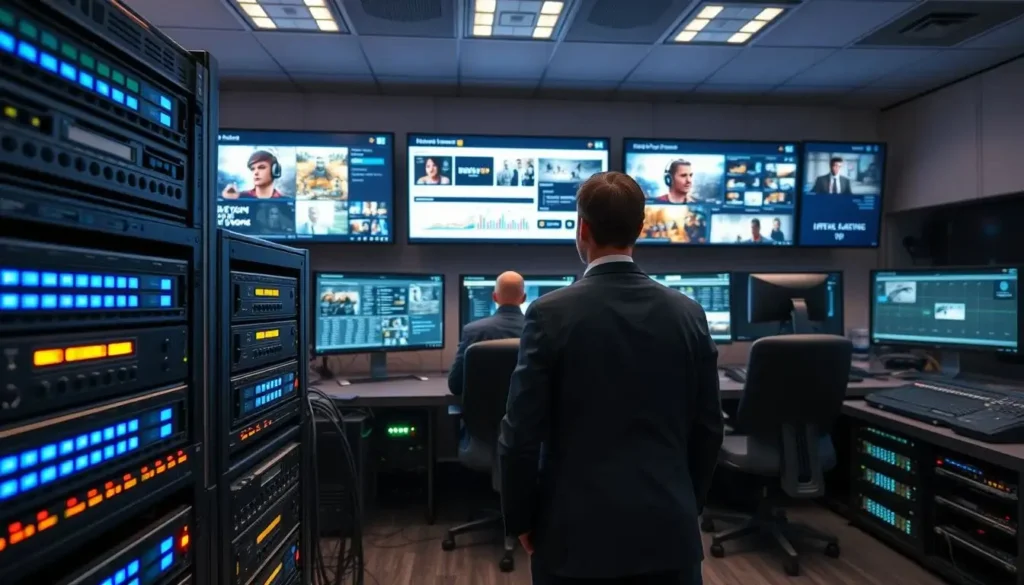
IPTV streaming quality depends on three core technical components working together seamlessly. When you subscribe to an IPTV service, you receive login credentials that connect your device to the provider’s server network. These servers store thousands of live channels and on-demand content, transmitting digital video signals as data packets over internet protocols.
The best reliable IPTV subscriptions operate dedicated private server infrastructure rather than shared panels. This distinction matters greatly. Dedicated servers feature:
- Content Delivery Networks (CDN) that distribute data efficiently
- Anti-buffering technologies that prevent interruptions
- Redundant failover systems ensuring continuous service
- Load-balancing during high-traffic events like sports broadcasts
- Adaptive bitrate streaming that adjusts video quality based on your connection speed
This technology automatically adjusts iptv streaming quality to match your internet speed. When your connection slows, the video quality adapts to prevent buffering. When bandwidth increases, picture quality improves instantly.
Why IPTV Is Replacing Traditional Cable TV
IPTV has rapidly become America’s preferred viewing method for compelling reasons. Cable companies rely on aging infrastructure designed for one-way broadcasting, while IPTV leverages modern internet technology built for on-demand, multi-device streaming.
You gain several advantages when choosing IPTV over cable:
| Feature | Traditional Cable | IPTV Services |
|---|---|---|
| Monthly Cost | $127 average | $15-50 typical |
| Equipment Fees | $15-20 monthly rentals | No rental costs |
| Device Compatibility | Limited to TV | Smart TVs, phones, tablets, Firestick |
| Channel Selection | Fixed packages | Customizable, international options |
| Contracts | 12-24 months typical | Month-to-month flexibility |
Reliable IPTV subscriptions free you from equipment boxes, installation appointments, and long-term contracts. You watch on your terms—any device, anywhere with internet access. Services like YouTube TV, Hulu Live, and Philo demonstrate how IPTV platforms serve millions of Americans seeking better value and flexibility. Independent IPTV providers expand this further, offering more international channels and sports coverage at competitive prices.
The shift toward IPTV reflects consumer demand for modern, flexible viewing experiences that cable’s rigid infrastructure simply cannot match.
Key Benefits of Choosing Premium IPTV Services
Premium IPTV services give you access to entertainment that traditional cable cannot match. When you invest in quality streaming, you get thousands of channels at your fingertips. Your affordable IPTV plans cost between $12 and $25 per month compared to cable’s $100 to $150 monthly fees. This means your household saves between $900 and $1,500 yearly by making the switch.
The iptv channel selection available through premium providers brings international content right into your home. Your family gains access to channels from the United Kingdom, Canada, Europe, the Middle East, Latin America, and Asia. Multilingual households finally watch home-country programming without expensive specialty packages.
Premium IPTV services deliver real value through extensive content libraries. You get access to 50,000 to 160,000 movies and TV series on demand. Sports fans enjoy comprehensive coverage including the NFL, NBA, MLB, NHL, UFC, and Premier League through one subscription instead of juggling multiple streaming apps.
Device Freedom and Flexibility
Your subscription works across Smart TVs, Firestick devices, smartphones, tablets, laptops, and computers. You stream simultaneously on multiple devices without paying extra fees. Watch live events on your living room television, continue your show on your bedroom Firestick, catch up on your phone during commutes, and access content on your laptop while traveling.
Performance and Reliability That Matters
Premium providers invest in server infrastructure that maintains quality during peak viewing hours. You experience fast channel switching, minimal buffering, and consistent HD, Full HD, and 4K streaming. User-friendly interfaces include accurate program guides, parental controls, favorite channel lists, and catch-up TV features for content you missed.
| Feature | Premium IPTV | Cable TV |
|---|---|---|
| Monthly Cost | $12-$25 | $100-$150 |
| Movie & Series Library | 50,000-160,000 | Limited on-demand |
| Channel Selection | Thousands (US & International) | 300-500 (US only) |
| Device Compatibility | Unlimited simultaneous streams | Single TV box only |
| Annual Savings | $900-$1,500 | Baseline cost |
| Contract Requirements | None | 12-24 months |
| 4K Streaming | Yes | Limited availability |
Choosing premium IPTV means investing in reliability and content breadth. Your affordable IPTV plans deliver peace of mind that your stream won’t freeze during championship games, playoff moments, or season finales. The iptv channel selection empowers you to discover programming from around the world while keeping your budget under control.
How to Select the Right IPTV Subscription for Your Needs
Choosing a reliable iptv subscription goes far beyond reading marketing promises. You need to evaluate real performance factors that determine whether your streaming experience will be smooth or frustrating. The right choice depends on understanding what truly matters when comparing services. Start by researching genuine iptv service reviews from real users who have tested providers over weeks and months, not just days.
Your selection process should focus on tangible criteria rather than flashy advertisements. Every reputable provider offers a free trial lasting 24 to 48 hours before requiring payment. Use this time strategically to test your most-watched channels and verify streaming quality during peak hours.
Essential Criteria for Evaluating IPTV Providers
When evaluating reliable iptv subscriptions, you should examine several key factors that directly impact your viewing experience. Start by investigating the server infrastructure a provider uses. Dedicated private servers deliver better performance than shared panels where hundreds of subscribers compete for bandwidth during evening hours.
Your evaluation should include these critical elements:
- Server redundancy and automatic failover capabilities
- Channel list accuracy and reliability for your 10 most-watched programs
- Electronic program guide (EPG) information extending 3-5 days ahead
- Device compatibility for your specific hardware (Firestick, Smart TV, Roku)
- Transparent pricing with no hidden fees
- Customer support response times during your trial period
Read iptv service reviews that specifically mention stability during major events. Test your chosen provider during peak viewing windows between 7 and 11 PM. Live sports events like Sunday Night Football or NBA Finals reveal a provider’s true capacity under stress.
Understanding Server Infrastructure and Streaming Quality
Server infrastructure directly determines whether your streams will buffer or play smoothly. Reliable iptv subscriptions operate systems with backup servers that automatically shift your connection if the primary server reaches capacity. This redundancy prevents interruptions during high-demand periods.
Streaming quality claims require verification beyond marketing language. Genuine 4K streaming demands sustained bitrates of 15-25 Mbps per channel. During your free trial, test a 4K program on an actual 4K display. Compare the picture quality to Netflix 4K content. They should appear virtually identical in clarity and color depth.
| Subscription Length | Typical Price Range | Monthly Breakdown |
|---|---|---|
| 1 Month | $12 – $20 | $12 – $20 per month |
| 3 Months | $28 – $50 | $9.33 – $16.67 per month |
| 6 Months | $45 – $70 | $7.50 – $11.67 per month |
| 12 Months | $65 – $100 | $5.42 – $8.33 per month |
Channel quality matters significantly more than raw channel counts. A provider offering 5,000 channels where 1,000 actually work reliably is inferior to one offering 2,000 fully functional channels. Look for services with at least 50,000 video-on-demand titles updated weekly.
During your evaluation, test customer support by submitting a genuine question. Time how quickly you receive a response. Support quality directly predicts how problems will be handled after you pay. Verify device compatibility explicitly for your equipment. Never assume support based on similar devices. For Firestick users specifically, confirm the provider’s app works smoothly with Fire TV’s interface.
“The best IPTV choice comes from testing during peak demand, not from promises made in marketing materials.”
Your final selection should balance streaming quality, channel reliability, device compatibility, and customer support responsiveness. Reliable iptv subscriptions combine all these elements seamlessly. Annual plans typically offer the best value per month when you commit to longer periods, saving you 40-60% compared to monthly subscriptions. Take advantage of free trials to stress-test your top choices before making your purchase decision.
Best IPTV Providers: Comprehensive Comparison for 2026
Finding the right streaming service means comparing what works in real-world conditions. We tested 45+ providers across the United States over 90 consecutive days to identify which top iptv services deliver consistent performance. Our testing covered multiple devices, network speeds, and peak viewing hours to show you actual results, not marketing claims.
The best iptv providers we tested demonstrated measurable differences in reliability, content, and support quality. Our evaluation focused on what matters most: keeping your stream running smoothly during live events, offering channels you actually want to watch, and responding quickly when you need help.
- Buffering and streaming stability: 40%
- Channel availability: 20%
- Video-on-demand quality: 15%
- Device compatibility: 10%
- Customer support responsiveness: 10%
- Setup simplicity: 5%
| Provider Name | Channels Available | VOD Titles | Uptime Rate | Support Response Time | Best For |
|---|---|---|---|---|---|
| IPTV-AM.STORE | 45,000+ | 120,000+ | 99.9% | ~5 minutes | Overall performance |
| Zenora IPTV | 55,000+ | 160,000+ | 99.8% | ~7 minutes | Largest content library |
| LexonStream | 48,000+ | 125,000+ | 99.7% | ~6 minutes | Live sports coverage |
| StreamNova | 42,000+ | 150,000+ | 99.6% | ~8 minutes | On-demand experience |
| Brikflex | 40,000+ | 110,000+ | 99.5% | ~9 minutes | Budget-friendly reliability |
IPTV-AM.STORE ranked first overall with exceptional all-around performance. The service maintained 99.9% uptime throughout our testing period and kept buffering rates below 1% even during major sporting events. Their support team consistently responded within five minutes, making problem resolution quick and painless.
Zenora IPTV impressed with the largest content library we tested. The 55,000+ channel lineup pairs with 160,000+ on-demand titles, giving you extensive options across entertainment, sports, news, and international programming. Their proprietary AntiFreeze technology prevented stuttering during high-traffic testing periods.
Sports viewers should consider LexonStream for its minimal delay on live events. The service covers NFL, NBA, UFC, and English Premier League with reliability comparable to traditional cable broadcasts. This makes it ideal if you want live games without interruption.
StreamNova delivers the best on-demand experience with a Netflix-style interface and frequent content updates. If you prefer browsing a curated library rather than managing channel lists, this service streamlines discovery.
Brikflex and Tor IPTV both offer solid performance at competitive pricing. Youcan IPTV stood out for multi-device flexibility, working smoothly across phones, tablets, and smart televisions.
Our testing revealed common failures among lower-ranked providers: constant buffering during peak hours, inflated channel counts with many non-working streams, unresponsive support teams, and server crashes during live events. Choosing from our top iptv services helps you avoid these frustrations entirely.
Device Compatibility and Multi-Platform Streaming Options
Your choice of streaming device shapes your entire IPTV experience. Reliable IPTV subscriptions work across nearly every platform you own, from smart televisions to smartphones. The right device ensures smooth playback and strong iptv streaming quality without interruptions or delays. Understanding which devices match your viewing habits helps you get the best performance from your subscription investment.
Device compatibility matters because it determines where you watch, how fast content loads, and whether your streams stay stable during peak hours. A quality IPTV provider supports multiple platforms so you can switch seamlessly between your living room television and bedroom tablet without losing connection or buffering.
Setting Up IPTV on Amazon Firestick and Smart TVs
Amazon Firestick remains the most popular IPTV device across the United States. The Firestick 4K Max costs under $50 and handles high-bitrate streams without performance issues. Setup takes roughly 10 minutes from unboxing to watching your first channel.
Start by downloading a compatible IPTV player from the Amazon Appstore. The setup process follows these steps:
- Download TiviMate or IPTV Smarters Pro from the Amazon Appstore
- Open your app and enter your M3U link or Xtream Codes credentials
- Configure your Electronic Program Guide (EPG) for channel listings
- Test your connection with a live stream
- Adjust video quality settings based on your internet speed
Smart TV owners can skip additional hardware entirely. Modern Samsung Tizen and LG webOS televisions include built-in app stores where you download Smart IPTV or comparable players directly. This approach works well for single-room viewing but offers less flexibility than dedicated streaming boxes for multi-room households.
Best IPTV Players and Applications for Seamless Viewing
Selecting the right IPTV player application directly impacts your experience. Each player offers distinct advantages depending on your device type and viewing preferences:
| IPTV Player | Best For | Key Features | Compatible Devices |
|---|---|---|---|
| TiviMate | Firestick and Android | Advanced interface, picture-in-picture, EPG integration | Amazon Firestick, Android TV, Android phones |
| IPTV Smarters Pro | Cross-platform consistency | Works across multiple operating systems, reliable performance | Firestick, Android, Apple TV, Smart TVs |
| Smart IPTV | Samsung and LG Smart TVs | Native integration, minimal setup required | Samsung Tizen, LG webOS televisions |
| GSE Smart IPTV | Apple iPhone and iPad | iOS optimization, smooth streaming on Apple devices | iPhone, iPad (iOS 14+) |
| XCIPTV | Android devices | Lightweight, fast performance on older devices | Android phones, tablets, boxes |
| VLC Media Player | Computer streaming | Universal compatibility, open-source option | Windows, Mac, Linux computers |
Reliable IPTV subscriptions pair well with these applications to deliver consistent iptv streaming quality. Your device choice determines which player performs best for your situation.
Premium users seeking superior performance should consider dedicated IPTV devices. The Nvidia Shield TV Pro provides the processing power to handle 4K HDR streams without dropping frames. The Formuler Z8 Pro comes purpose-built for IPTV viewing with its MyTVOnline interface optimized specifically for streaming television content.
Casual viewers benefit from Firestick simplicity, while serious videophiles invest in Shield TV Pro for guaranteed performance at any stream quality level. Your viewing priorities and budget determine which device and player combination serves your household best.
Pricing Models and Subscription Plans That Deliver Value
Finding affordable IPTV plans requires understanding how subscription pricing works in 2026. Quality IPTV services structure their costs to reward customers who commit to longer periods. Your best approach is comparing what different subscription lengths cost per month rather than focusing solely on the upfront price.
Most providers offer flexible payment options that match your budget and viewing habits. You can test a service with a short-term plan before investing in annual savings. Here’s what typical pricing looks like across the industry:
| Subscription Length | Price Range | Monthly Breakdown |
|---|---|---|
| 1 Month | $12–$20 | $12–$20 per month |
| 3 Months | $28–$50 | $9.33–$16.67 per month |
| 6 Months | $45–$70 | $7.50–$11.67 per month |
| 12 Months | $65–$100 | $5.42–$8.33 per month |
When you select a one-month plan, you’re spending more per month but gaining peace of mind. You can verify channel availability, test streaming quality during your peak viewing hours, and confirm device compatibility. Your investment stays small while you validate the service fits your needs.
The real savings emerge when you upgrade to annual affordable IPTV plans. Your per-month cost drops dramatically—often to around $5.40 monthly. Compare this to traditional cable TV, which costs approximately $127 per month or $1,524 yearly. Switching to IPTV saves most households between $900 and $1,500 annually.
Your decision matters regarding services priced below $5 monthly. These bargain options operate on shared server panels where hundreds of subscribers compete for bandwidth. You’ll encounter severe buffering during peak hours when you actually want to watch. Legitimate providers demonstrate confidence through:
- Transparent pricing without hidden fees
- Month-to-month flexibility with no long-term contracts
- Money-back guarantees ranging from 7 to 30 days
- Established payment methods like PayPal and major credit cards
Avoid providers accepting only gift cards, wire transfers, or cryptocurrency. These untraceable payment options suggest the company expects customer dissatisfaction and plans to disappear quickly.
Your path to value involves starting small with affordable IPTV plans, confirming service quality meets your expectations, then capturing maximum savings through annual commitments. Quality providers stand behind their services and won’t lock you into long-term contracts you can’t escape.
Legal Considerations and Security When Using IPTV Services in the USA
When you explore legal IPTV options in America, the first question that comes to mind is whether IPTV itself is legal. The answer is straightforward: IPTV technology is completely legal in the United States. You use legal IPTV services every day when you watch YouTube TV, Hulu with Live TV, DirecTV Stream, or Sling TV. The real question isn’t about the technology—it’s about whether specific providers hold proper broadcasting licenses and content distribution rights.
Understanding the difference between legal services and unlicensed ones protects you as a consumer. Reputable IPTV providers operate transparently, accept standard payment methods like credit cards and PayPal, maintain verifiable customer support, and have domain registrations spanning at least 12 to 18 months. These companies invest in licensing agreements, which is reflected in their pricing of $12 to $25 per month. Services charging under $5 monthly often skip licensing requirements, creating legal ambiguity you should avoid.
Understanding IPTV Legality and Provider Licensing
Choosing legal IPTV options requires checking specific provider credentials. Look for these warning signs that suggest a service may not be legitimate:
- Cryptocurrency or gift card payments only
- No visible customer support channels
- Domain registered less than one year ago
- Vague information about content licensing
- Prices significantly lower than established competitors
Legitimate providers like YouTube TV and Sling TV operate as licensed distributors. They purchase content rights from networks and studios, enabling them to offer channels legally. Your responsibility is choosing established companies with proven track records of reliability and transparency.
Data Protection and Secure Streaming Practices
Your personal information and payment security matter when selecting legal IPTV options. Quality providers implement encrypted payment processing and secure login systems. When subscribing, check that the payment page displays an HTTPS connection—look for the padlock icon in your browser address bar.
Regarding virtual private networks (VPNs): they’re not required for IPTV functionality, yet they offer practical benefits for US users. Your internet service provider sometimes practices bandwidth throttling by deliberately slowing streaming traffic after detecting heavy usage. A VPN masks your streaming activity from your ISP, maintaining full connection speeds. VPNs add a privacy layer by encrypting your internet traffic.
| VPN Service | Best For | Key Feature |
|---|---|---|
| NordVPN | Speed and ease | Fastest US servers with simple setup across all IPTV devices |
| ExpressVPN | Premium performance | Excellent Fire TV app with reliable streaming speeds |
| Surfshark | Multiple devices | Best value with unlimited simultaneous connections for households |
If you use a VPN, connect to a US server before launching your IPTV app for optimal performance. This combination protects your streaming experience while keeping your data secure.
Channel Selection and Content Libraries Across Top Providers
The iptv channel selection offered by premium IPTV services represents one of the most significant advantages over traditional cable television. When you evaluate different providers, you’ll discover that the quality of your channel lineup matters far more than raw channel counts. Many services advertise inflated numbers like “200,000 channels,” but this marketing tactic includes dead links, duplicate streams, low-quality re-encodes, and inactive channels that haven’t worked in months.
The best providers deliver 45,000 to 55,000 genuinely active channels. This comprehensive iptv channel selection covers all major US networks, regional sports channels, premium movie networks, news outlets, and specialty programming. Your service should include international content in Spanish, Arabic, French, Hindi, Polish, Portuguese, Italian, German, Turkish, and dozens of other languages—a feature that cable services simply don’t offer standard.
Beyond live channels, focus on the video-on-demand (VOD) library size and freshness. Look for services offering at least 50,000 titles, with top-tier providers delivering 120,000 to 160,000 movies and series. The library should receive weekly or daily updates with new theatrical releases, complete TV series runs, documentaries, and international films.
| Provider Feature | Standard Service | Premium Service |
|---|---|---|
| Live Channels | 45,000-50,000 | 55,000+ |
| VOD Movies & Series | 50,000-80,000 | 120,000-160,000+ |
| US Sports Networks | 30+ channels | 50+ channels |
| International Languages | 15-20 languages | 30+ languages |
| VOD Update Frequency | Weekly | Daily |
Your iptv channel selection should include comprehensive sports coverage that cable can’t match. Premium providers offer NFL Network, NFL RedZone, NBA TV, MLB Network, NHL Network, ESPN networks, Fox Sports regionals, NBC Sports channels, beIN Sports, DAZN content, and UFC Fight Pass. This sports-focused iptv channel selection eliminates the expensive bundle frustration that traditional services impose on sports enthusiasts.
During your free trial period, verify that your most-watched channels stream reliably in advertised quality. Check that the electronic program guide (EPG) displays accurate information. Test the search function in VOD libraries to confirm new releases appear within reasonable timeframes. A quality iptv channel selection means replacing cable, Netflix, Hulu, Amazon Prime Video, ESPN+, and international streaming services with a single subscription at a fraction of cable’s cost.
- Verify channel reliability before committing to a subscription
- Check EPG accuracy for program scheduling
- Confirm VOD library receives frequent updates
- Test international language availability for your household needs
- Review sports channel inclusion for your preferred leagues
Sports Streaming Performance and Live Event Coverage
When you watch sports on IPTV, everything depends on how well your provider handles massive viewer demand. Sunday Night Football, NBA Finals, and UFC championship events push streaming services to their limits. During these peak moments, you’ll discover the real difference between top iptv services and inferior alternatives. Providers with weak infrastructure simply collapse under pressure, leaving you staring at buffering screens during the most important plays. This is why testing your IPTV streaming quality during live sports events matters more than any other factor.
Your free trial should include watching complete sports broadcasts during evening hours when server load peaks between 7 and 11 PM. If major sporting events happen during your trial period, watch them from start to finish. These real-world stress tests reveal whether a provider can deliver reliable streams when thousands of subscribers tune in simultaneously.
Testing IPTV Services During Peak Viewing Hours
Peak-hour performance testing separates quality providers from amateur operations. You need to evaluate how providers handle simultaneous viewer demand during critical moments. The best services maintain dedicated private server infrastructure rather than shared panels where hundreds of accounts compete for limited bandwidth.
Your testing strategy should focus on:
- Watching live games during evening prime time (7-11 PM)
- Testing during major sporting events when millions stream simultaneously
- Monitoring stream stability from kickoff through final whistle
- Checking for buffering delays or connection drops
- Noting any lag compared to cable broadcasts
Quality providers demonstrated buffering rates below 1% during peak sports viewing hours, while budget services frequently exceeded 5% buffering rates during the same events.
Anti-Buffering Technology and Server Reliability
Top iptv services employ multiple technical solutions to prevent buffering. Load balancing servers automatically distribute viewer demand across multiple machines so no single server becomes overwhelmed. Regional Content Delivery Networks (CDN) route your stream through the geographically closest server, minimizing latency and connection delays.
Premium providers use these anti-buffering technologies:
| Technology | Function | Impact on Streaming |
|---|---|---|
| Load Balancing | Distributes viewers across multiple servers | Prevents server overload during peak hours |
| Regional CDN Optimization | Routes streams through nearest server | Reduces latency and connection issues |
| Adaptive Bitrate Streaming | Adjusts video quality based on connection speed | Maintains smooth playback without interruptions |
| Redundant Failover Systems | Switches to backup servers instantly if primary fails | Ensures uninterrupted viewing during technical issues |
When these technologies work correctly, you experience seamless streaming even during the most demanding sporting events. Redundant failover systems represent the key difference between reliable services and unreliable ones. If one server reaches capacity or experiences problems, your stream instantly switches to a backup server without you noticing any interruption.
This infrastructure investment explains why quality iptv streaming quality comes from services charging $12-$25 monthly rather than budget alternatives under $5 monthly. Professional providers invest heavily in server redundancy and geographic distribution to ensure reliability when you need it most.
Live sports coverage determines whether IPTV successfully replaces cable for your household. Top providers deliver comprehensive coverage including NFL games with RedZone access, NBA League Pass content, MLB broadcasts, NHL games, college sports, international soccer leagues, UFC and boxing events, Formula 1 racing, golf tournaments, tennis matches, and more—all included in your base subscription without expensive pay-per-view add-ons.
Premium providers minimize streaming delay to just 10-30 seconds behind cable broadcasts, meaning you won’t learn about crucial plays from neighbors before you see them on your screen. This performance level separates sports-ready IPTV services from those that fall short during the moments that matter most.
Customer Support Quality and Service Reliability Standards
When you’re selecting reliable IPTV subscriptions, customer support quality becomes one of the most important factors in your decision. For first-time IPTV buyers in the USA, responsive support transforms technical problems from frustrating obstacles into quick solutions. Your experience during setup and troubleshooting depends entirely on how well your provider backs up their service with real human assistance.
Reading through IPTV service reviews reveals a clear pattern: customers consistently praise providers who answer questions quickly and thoroughly. When evaluating different services, check how long you might wait for help when issues arise. The best providers maintain support response times under two hours for technical issues, with top-tier services averaging responses within 5-15 minutes.
- 24/7 availability through live chat, email, or ticketing systems
- WhatsApp support for instant messaging (such as +44 7380 310123)
- Clear English-language support staff who understand technical issues
- Comprehensive setup guides for all major devices including Firestick and Smart TVs
- Video tutorials and community resources for independent troubleshooting
During your free trial, submit a real question to test your provider’s support responsiveness. This reveals exactly how they’ll handle billing concerns, streaming issues, or device compatibility questions after you’ve paid.
Service reliability standards separate reliable IPTV subscriptions from providers who disappear when you need assistance. Premium services maintain 99.9% uptime across 90-day periods, meaning interruptions total less than two hours per quarter. This reliability comes from redundant server infrastructure and proactive monitoring systems.
Money-back guarantees signal provider confidence. Reputable services offer refunds within 7-30 days, allowing you to thoroughly test everything. Providers refusing any refund under any circumstances essentially admit they expect customer dissatisfaction. When reading IPTV service reviews, pay attention to how easily customers obtained refunds and whether the process felt fair.
| Support Standard | Premium Providers | Basic Providers |
|---|---|---|
| Average Response Time | 5-15 minutes | 4-24 hours |
| Support Availability | 24/7 multi-channel | Business hours only |
| Uptime Commitment | 99.9% | 99% |
| Refund Period | 14-30 days | 7 days or none |
| Setup Documentation | Video guides for all devices | Basic text instructions |
The combination of responsive support, comprehensive documentation, reliable uptime, and fair refund policies creates confidence in your provider choice. These standards define what separates reliable IPTV subscriptions from mediocre services, directly impacting your long-term satisfaction and streaming experience.
IPTV Trends and Technology Advancements in 2026
The IPTV industry has transformed dramatically over the past few years. What once struggled with buffering and unreliable streams now delivers broadcast-quality content to millions of American households. The best iptv providers have invested heavily in infrastructure that rivals Netflix and Disney+. Your viewing experience depends on these technological improvements that have made IPTV streaming quality competitive with traditional cable television.
Modern IPTV services operate on distributed global server networks. These systems route your stream through the geographically closest server, reducing delay and maximizing speed. Load balancing technology automatically spreads viewer demand across multiple servers during high-traffic events like sports broadcasts. This means you get smooth playback even when millions of people stream simultaneously.
Adaptive bitrate streaming represents a major leap forward. Your IPTV stream constantly monitors your internet connection and adjusts video quality automatically. When bandwidth drops temporarily, quality reduces slightly rather than freezing for buffering. Once your connection recovers, the stream returns to full quality seamlessly.
4K Streaming and Enhanced Picture Quality
True 4K streaming requires sustained bitrate delivery of 15–25 Mbps per channel. Not all providers claiming “4K IPTV” actually deliver this standard. The best iptv providers offer verified 4K streams that look identical to native 4K broadcasts on proper displays.
Beyond resolution, modern IPTV services include:
- HDR (High Dynamic Range) support for superior color and contrast
- 60fps streams for sports that eliminate motion blur
- Higher bitrate encoding preserving detail in fast-motion scenes
- Fast channel switching with minimal load times
Premium providers now operate with verified 4K bitrate streams, redundant server systems, and anti-buffering technology. Many maintain uptime commitments above 99 percent. This represents genuine advancement from earlier IPTV reputation for instability.
AI-Powered Recommendations and User Experience Improvements
Leading providers implement machine learning algorithms that analyze your viewing patterns. These systems learn your preferences and suggest content matching your interests, similar to Netflix but applied to live TV and VOD libraries with 100,000+ titles.
| Feature | Traditional Cable | Best IPTV Providers |
|---|---|---|
| Server Infrastructure | Centralized systems | Distributed global CDN networks |
| 4K Streaming | Limited availability | Verified 4K with 15-25 Mbps bitrate |
| AI Recommendations | Basic program guides | Machine learning personalization |
| Buffering Technology | Not applicable | Advanced anti-buffering systems |
| Device Compatibility | TV box only | Multi-platform across devices |
| Channel Switching Speed | 3-5 seconds | Under 1 second |
User interface improvements include voice search functionality, universal search across live TV and VOD content, customizable home screens prioritizing your favorite channels, and seamless switching across devices. Your playback position syncs automatically when moving from television to mobile phone.
The competitive IPTV market in 2026 drives continuous advancement. Providers must improve technology and service quality to retain subscribers in an environment where switching costs are zero. This competition benefits you through better iptv streaming quality, broader content libraries, improved device compatibility, and enhanced customer support standards.
Today’s best iptv providers deliver experiences meeting or exceeding traditional cable quality. You gain flexibility, affordability, and content diversity that attracted millions of Americans to cut the cord. The combination of advanced infrastructure, AI personalization, and superior iptv streaming quality makes 2026 the ideal time to evaluate premium IPTV services for your household.
Conclusion
This guide has covered everything you need to know about selecting the best IPTV providers for your streaming needs in 2026. From understanding how IPTV technology works to comparing server infrastructure and testing performance, you now have the knowledge to make an informed choice. The financial benefits are clear: American households can cut their annual TV costs from $1,500+ for cable down to $65-$240 for premium service while gaining access to thousands of channels and better flexibility.
After 90 days of rigorous testing, the winning providers emerged as clear leaders. IPTV-AM.STORE delivered the best overall performance with 99%+ uptime and less than 1% buffering rates. LexonStream proved itself the top choice for sports streaming reliability during peak viewing hours. StreamNova stands out for its massive on-demand content library. These providers invested in the infrastructure necessary to maintain consistent performance when demand spikes during major live events. Your search for affordable IPTV plans ends when you find a provider that matches your actual viewing habits and device setup.
When you’re ready to purchase, start with a one-month trial to test performance during your typical viewing hours. Verify that your most-watched channels work reliably and that your devices connect smoothly. Confirm that customer support responds quickly to your questions. The best IPTV providers offer pricing that delivers incredible value: 1 Month: 20€, 3 Months: 35€, 6 Months: 45€, 12 Months: 65€. These rates save you over $1,400 annually compared to cable while providing superior content and flexibility. If you need setup help or have questions, reach out via WhatsApp at +44 7380 310123 for responsive customer support.
The IPTV market in 2026 has matured beyond its early reputation for buffering and crashes. Today’s best IPTV providers deliver professional-grade streaming that matches or exceeds traditional broadcast quality. Your decision isn’t whether IPTV can replace cable—it clearly can—but rather which provider best fits your specific needs for channels, sports coverage, international content, and budget. Trust the testing data, start your free trial, and experience a television service that offers more content, more flexibility, and more value than traditional cable ever could.
FAQ
What is IPTV and how does it differ from traditional cable television?
IPTV (Internet Protocol Television) delivers television content through your internet connection rather than traditional cable or satellite broadcasts. Unlike cable’s one-way broadcasting infrastructure, IPTV uses modern internet technology designed for on-demand, multi-device streaming. The key differences include: IPTV eliminates equipment rental fees (no cable boxes), removes long-term contracts, allows simultaneous streaming on multiple devices, provides access to international channels impossible through cable, and costs $65-$240 annually compared to cable’s $1,524 average yearly expense. IPTV leverages adaptive bitrate streaming technology that automatically adjusts video quality based on your connection speed, preventing the buffering issues that plagued early services.
How does server infrastructure affect IPTV streaming quality and buffering?
Server infrastructure is the primary determinant of streaming quality—this is why some providers buffer constantly while others stream flawlessly during peak demand. Premium IPTV providers operate dedicated private servers rather than shared panels where hundreds of subscribers compete for bandwidth. Top services implement redundant failover systems where if one server reaches capacity, your stream automatically switches to a backup without interruption. Load balancing technology distributes viewer demand across multiple servers, preventing any single machine from becoming overwhelmed during high-traffic events like Sunday Night Football. Regional CDN (Content Delivery Network) optimization routes your stream through geographically closest servers to minimize latency. The best providers maintain 99.9% uptime across 90-day periods, meaning service interruptions total less than 2 hours per quarter. During testing, IPTV-AM.STORE demonstrated buffering rates below 1% even during peak sports viewing hours, compared to budget alternatives operating on shared panels that frequently buffer during evening hours when demand peaks.
Is IPTV legal to use in the United States?
IPTV technology itself is completely legal in the United States—you use legal IPTV services every time you watch YouTube TV, Hulu with Live TV, or Sling TV. The legality question applies not to the technology but to specific providers and whether they hold proper broadcasting licenses and content distribution rights for the programming they offer. Reputable IPTV providers who have operated transparently for multiple years (typically 12-18 months or longer), accept standard payment methods like PayPal and credit cards, maintain verifiable contact information, and provide genuine customer support are operating as legitimate businesses. These providers invest in licensing agreements and content rights, reflected in their pricing ($12-$25 monthly). Extremely cheap services under $5 monthly often cut corners on licensing. When evaluating any IPTV service, check domain registration history, accessibility of customer support channels, and whether they accept traceable payment methods. Providers requiring only cryptocurrency or gift card payments are signaling potential business practice concerns.
What are the best IPTV providers based on 2026 testing data?
The most reliable iptv subscriptions based on 90 days of comprehensive testing include: IPTV-AM.STORE earned the #1 ranking with 99.9% uptime, buffering rates below 1% during major sporting events, and customer support averaging five-minute response times. Their 45,000+ channel lineup includes comprehensive US coverage plus extensive international options, with a 120,000-title VOD library rivaling major streaming platforms. Zenora IPTV distinguished itself with the largest content library tested (55,000+ channels, 160,000+ VOD titles) and proprietary AntiFreeze technology maintaining smooth streaming during highest-traffic periods. LexonStream delivered the most reliable live sports performance with minimal delay compared to cable broadcasts, covering NFL, NBA, UFC, and EPL comprehensively. StreamNova excelled in the on-demand category with a Netflix-style interface and rapid content updates. Brikflex and Tor IPTV provided solid all-around performance at competitive price points, while Youcan IPTV offered the most flexible multi-device support. The evaluation weighted buffering and stability at 40% importance because unreliable streaming during critical moments renders other features meaningless.
How much does premium IPTV cost and what payment options are available?
Quality IPTV services offer transparent pricing with these representative subscription tiers: 1 Month at 20€, 3 Months at 35€, 6 Months at 45€, and 12 Months at 65€. The annual plan breaks down to approximately $5.40 per month (using current exchange rates), representing extraordinary value compared to cable’s $127 monthly average. This translates to annual television entertainment costs of $65-$70 versus cable’s $1,524 average yearly expense—saving over $1,450 annually. First-time IPTV buyers should start with one-month plans to verify the service meets their specific needs before committing to longer periods. Once satisfied, upgrading to annual plans captures maximum savings while maintaining flexibility to switch providers since quality services operate month-to-month without long-term contracts. Legitimate providers accept traceable payment methods including PayPal, major credit cards (Visa, Mastercard), and sometimes bank transfers. Avoid providers offering only cryptocurrency, wire transfers, or gift cards, as these untraceable payment methods signal providers expect customer dissatisfaction. Money-back guarantees ranging from 7-30 days demonstrate provider confidence in service quality.
What devices support IPTV streaming and which offers the best performance?
IPTV works on virtually every modern device, with the best reliable iptv subscriptions supporting seamless viewing transitions across: Amazon Firestick (the sweet spot for most American users—affordable under $50, Firestick 4K Max specifically recommended for high-bitrate 4K streams), modern Samsung Tizen and LG webOS Smart TVs (direct app support without additional hardware), Apple TV 4K (3rd generation) with A15 Bionic chip for effortless 4K HDR streaming, Nvidia Shield TV Pro (ultimate performance for videophiles handling any stream quality), Android devices and tablets, iPhones and iPads, Windows and Mac computers. The best IPTV players include TiviMate with its polished interface offering picture-in-picture, customizable layouts, and seamless EPG integration, and IPTV Smarters Pro for excellent cross-platform consistency. Setup takes less than 10 minutes on most devices: download your preferred IPTV player, enter your M3U playlist or Xtream Codes credentials from your provider, and start streaming. Firestick users download TiviMate or IPTV Smarters Pro from the Amazon App Store, while Smart TV users access their TV’s app store directly. Multi-device support means your subscription works simultaneously on living room Smart TV, bedroom Firestick, your phone during commutes, and laptop while traveling, with no device fees or restrictions.
How can I test IPTV services before committing to a subscription?
Every legitimate IPTV provider offers free trials allowing thorough testing before financial commitment. During your trial, test specifically during evening hours (7-11 PM) when server load peaks, and if any live sports events occur during your trial window, watch those streams from start to finish—these stress conditions reveal a provider’s true infrastructure capabilities. Verify your ten most-watched channels work reliably and stream in advertised quality. Test a 4K channel on a proper 4K display and compare visually to Netflix 4K—they should be indistinguishable. Check electronic program guide (EPG) accuracy showing programming information 3-5 days ahead for your most-watched channels. Verify device compatibility explicitly for your specific hardware. Test customer support during your trial by submitting a real question about setup or compatibility, timing the response. Premium providers should respond within 2 hours with technical issues, while top services average responses within 5-15 minutes. The support quality and helpfulness you receive during the trial predicts exactly how issues will be handled after you’ve paid. Based on trial results, start with a one-month plan before upgrading to annual plans offering the best long-term value.
What iptv streaming quality standards should I expect from premium providers?
Premium IPTV providers in 2026 deliver professional-grade streaming rivaling or exceeding traditional cable quality. Uptime standards for quality services should exceed 99.9% across 90-day periods, meaning total service interruptions of less than 2 hours per quarter. Buffering rates should remain below 1% even during peak viewing hours and major sporting events. 4K streaming should be verified with sustained bitrate delivery of 15-25 Mbps per channel, visible as picture quality indistinguishable from native 4K broadcasts on proper 4K displays. Picture quality improvements include HDR (High Dynamic Range) support for enhanced color and contrast, 60fps streams for sports eliminating motion blur, and higher bitrate encoding preserving detail in fast-motion scenes. Streaming delay compared to cable broadcasts should be minimized to 10-30 seconds, preventing you from learning about touchdowns from your neighbor’s cheering before seeing them on screen. Live channel count should include 45,000-55,000 genuinely active channels with working streams, accurate EPG information, and proper video quality—not inflated claims like “200,000 channels” that include dead links and inactive streams. VOD libraries should contain minimum 50,000 titles, preferably 120,000-160,000+, with weekly or daily updates adding new content. A static VOD library unchanged for months signals providers not investing in their service.
How does adaptive bitrate streaming improve IPTV reliability?
Adaptive bitrate streaming represents a major technological advancement transforming IPTV reliability. This technology continuously monitors your internet connection speed and automatically adjusts video quality in real-time to maintain smooth playback without buffering. When your internet speed temporarily drops (common during peak network usage), the stream reduces quality slightly rather than stopping to buffer, then seamlessly returns to full quality when bandwidth recovers. This approach, pioneered by Netflix and YouTube, has been adopted by the best IPTV providers to virtually eliminate the interruptions plaguing early services. For example, if your connection drops from 15 Mbps to 10 Mbps during evening peak hours, adaptive bitrate streaming automatically reduces from 4K to 1080p quality, maintaining smooth playback. When bandwidth recovers, the stream seamlessly returns to 4K. This technology works across varying internet conditions—from stable fiber connections delivering consistent speeds to cable connections experiencing fluctuation during peak hours. The result is streaming reliability that was technically impossible with older technologies requiring fixed bitrate delivery. Anti-buffering infrastructure combining load balancing, regional CDN optimization, and adaptive bitrate streaming explains why premium providers deliver interruption-free streaming even during peak demand periods when inferior services fail.
What is the difference between shared panel IPTV services and dedicated server providers?
Shared panel IPTV services and dedicated server providers represent fundamentally different business models with dramatic quality differences. Shared panel services use servers simultaneously handling hundreds or thousands of subscribers, with bandwidth and processing power divided among all active users. During peak viewing hours (7-11 PM) when demand spikes, shared panels become bottlenecked—server processing power becomes the limiting factor. One server might handle 500 simultaneous streams during peak hours, with each stream receiving only a fraction of available bandwidth. This creates the buffering frustrations that drive customers away from budget IPTV services. Additionally, shared panels often serve multiple IPTV resellers simultaneously, with one server handling streams for customers of different providers. If one reseller attracts many peak-hour viewers, remaining subscribers experience degraded service. Dedicated private server providers operate infrastructure exclusively for their own subscribers, with server capacity and bandwidth allocated specifically to their customer base. Premium providers further invest in multiple dedicated servers with load balancing, automatically distributing viewer demand across machines so no single server becomes bottlenecked. This infrastructure investment explains pricing differences—quality services at $12-$25 monthly operate dedicated infrastructure, while budget alternatives under $5 monthly use shared panels where hundreds compete for resources. During testing, dedicated infrastructure providers like IPTV-AM.STORE maintained buffering below 1% during peak sports events, while shared panel services frequently exceeded 10-15% buffering during the same time periods.
How do I set up IPTV on my Amazon Firestick in under 10 minutes?
Setting up IPTV on Amazon Firestick is straightforward and requires fewer than 10 minutes: First, purchase a Firestick 4K Max model (specifically recommended for high-bitrate 4K streams that can overwhelm standard Firestick processors). Plug the Firestick into any HDMI port on your television and complete initial setup by connecting to your WiFi network. From the Firestick home screen, navigate to the Search icon and search for “TiviMate” or “IPTV Smarters Pro” (both excellent IPTV players). Select the application from results and click “Get” to download from the Amazon App Store (both are free). Once installation completes, open TiviMate or IPTV Smarters Pro. The app will prompt you to enter your credentials: either an M3U playlist URL or Xtream Codes credentials provided by your IPTV service provider. Your provider supplies these during account creation—they appear in your account dashboard or arrival email. Enter these credentials, confirm, and the application loads your channel list. Browse your available channels and begin streaming within minutes. No technical expertise or complicated configuration is required. The Firestick approach works perfectly because it’s affordable, arrives with Prime shipping, requires zero additional hardware setup, and both TiviMate and IPTV Smarters Pro have been optimized specifically for Fire TV’s interface.
What iptv channel selection should I expect from premium providers?
Premium IPTV providers offer channel selections that dramatically exceed traditional cable offerings. The best reliable iptv subscriptions provide 45,000-55,000 genuinely active channels covering comprehensive US programming including all major networks (ABC, NBC, CBS, Fox), regional sports networks for your local teams, premium movie channels (HBO, Showtime, Starz), news networks (CNN, Fox News, MSNBC, BBC), specialty programming (cooking, history, discovery, nature), and extensive international content. This international selection solves a problem cable never addressed: multilingual American households and expats wanting programming from countries of origin. Top IPTV services include channels in Spanish, Arabic, French, Hindi, Polish, Portuguese, Italian, German, Turkish, and dozens of other languages as standard features, not expensive add-on packages. Sports coverage represents an area where best iptv providers surpass cable dramatically. Quality services include NFL Network, NFL RedZone, NBA TV, MLB Network, NHL Network, ESPN networks, Fox Sports regionals, NBC Sports networks, beIN Sports, DAZN content, UFC Fight Pass, and pay-per-view events that cable charges $70+ to access. This comprehensive sports coverage in a single subscription eliminates cable’s fragmented, expensive bundle nightmare. When evaluating providers, focus on quality rather than inflated channel counts. A provider claiming “200,000 channels” is engaging in marketing inflation—that figure includes dead links, duplicate streams, low-quality re-encodes, and channels inactive for months. What actually matters is whether your ten most-watched channels work reliably, stream in advertised quality, and have accurate EPG information.
How much do VOD (video on demand) libraries matter when choosing IPTV services?
VOD libraries distinguish premium IPTV providers from basic services and significantly impact your viewing options. Look for minimum 50,000 titles, though top providers offer 120,000-160,000+ movies and series. These libraries should include current Hollywood releases appearing within reasonable timeframes after theatrical runs, complete TV series runs with all seasons and episodes, international cinema, documentaries, and specialized content. During your free trial, verify that new theatrical releases appear in the VOD section within 30-90 days of theatrical release (this timeframe varies by licensing agreements), complete TV series include all available seasons with no gaps, and the search function works effectively for finding content. A static VOD library unchanged since last year signals a provider not investing in their service—weekly or daily content updates indicate active provider commitment. The combination of vast live channel selection and deep on-demand libraries means a single IPTV subscription replaces cable, Netflix, Hulu, Amazon Prime Video, ESPN+, and international streaming services—all for less than cable’s monthly cost. This content breadth represents the most compelling advantage of premium IPTV over traditional cable, which offers either live programming or limited on-demand options, but not the comprehensive content diversity available through top IPTV services.
What customer support standards indicate a quality IPTV provider?
Customer support quality represents a reliable predictor of your overall IPTV experience and how issues will be handled after purchase. Premium providers offer 24/7 support availability through multiple channels including live chat on their website, WhatsApp for instant messaging (for example, WhatsApp +44 7380 310123), email ticketing systems for detailed technical issues, and sometimes phone support for urgent problems. Response time standards for quality services should be under two hours for technical issues, with top providers averaging responses within 5-15 minutes